
0%
12V / 24V Parking Climate Systems
Rooftop and split parking air conditioners for fleets, distributors and OEM projects — shipped worldwide from Qingdao.
Start partner qualification → ESC to closeEight rooftop and split parking air conditioner models, 12V and 24V — every unit run-tested on the IATF 16949 line before it ships.
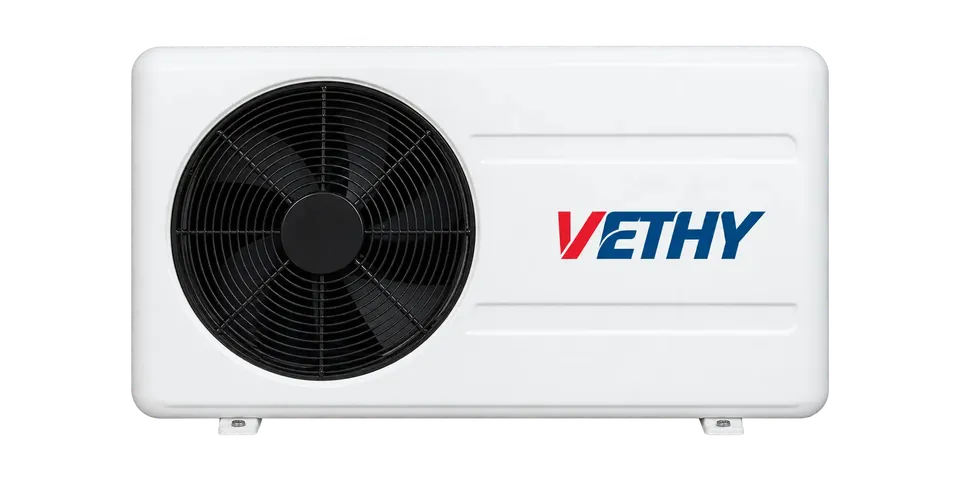
Twin-rotor split system engineered for US semi-trucks.
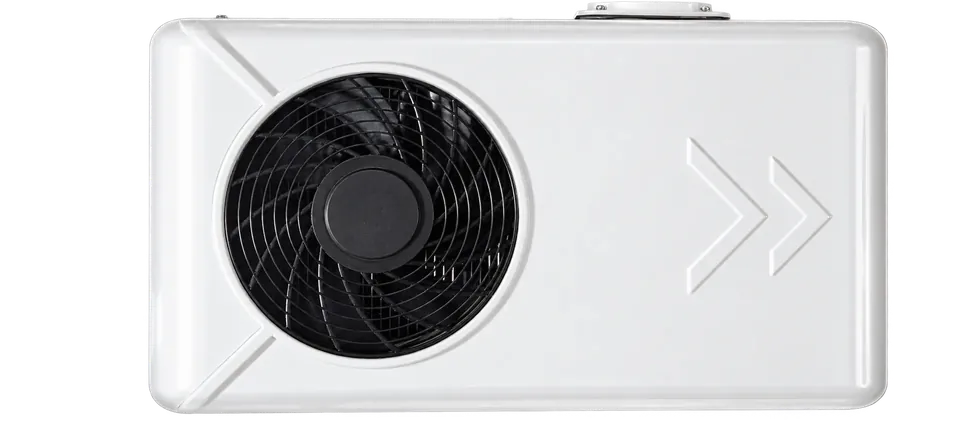
Heating and cooling in one compact split unit.
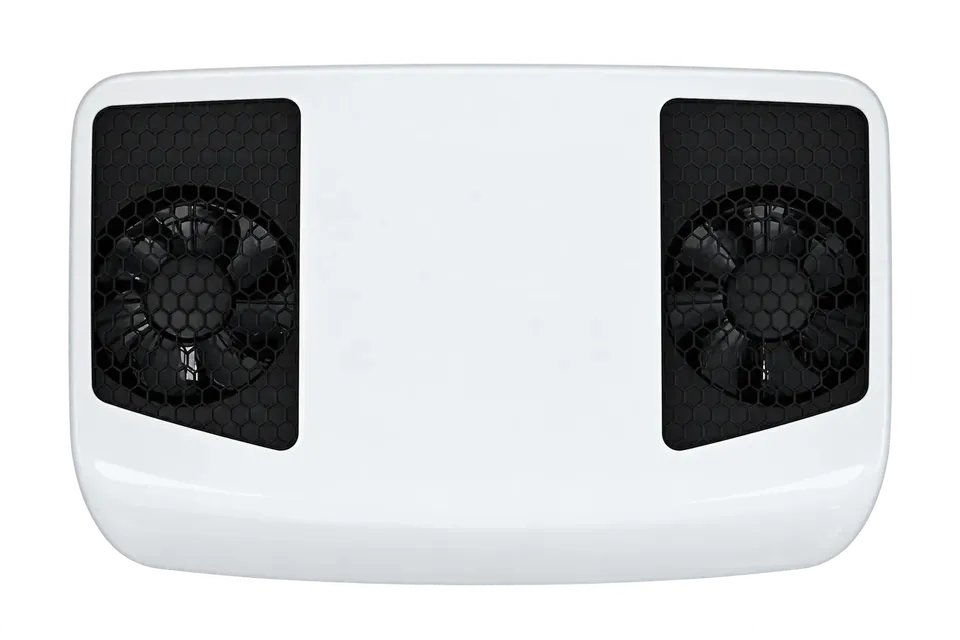
Twin-rotor R410A rooftop for heavy-duty cabs.
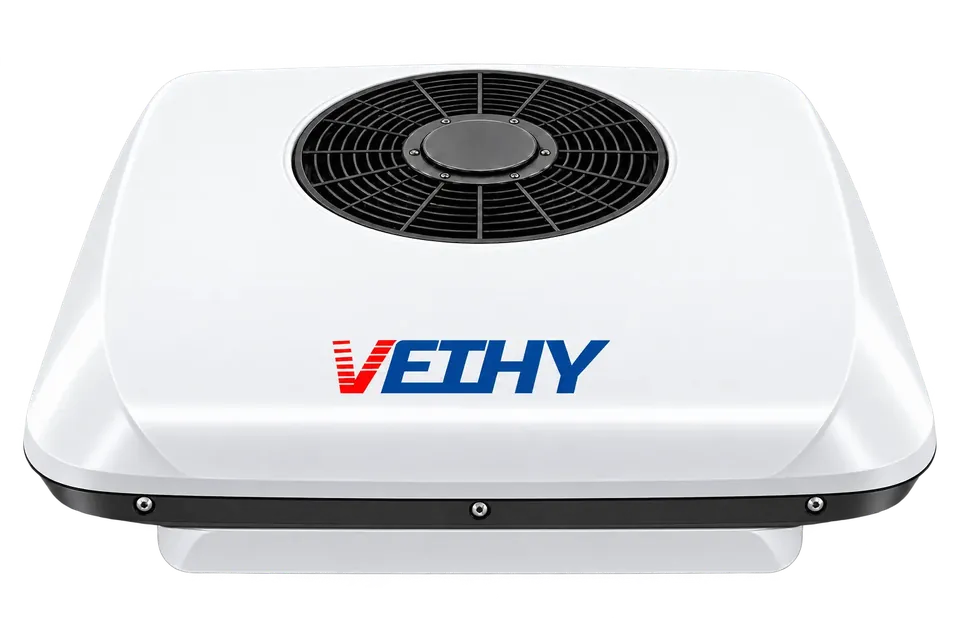
Low-profile 12V/24V unit for light trucks and vans.
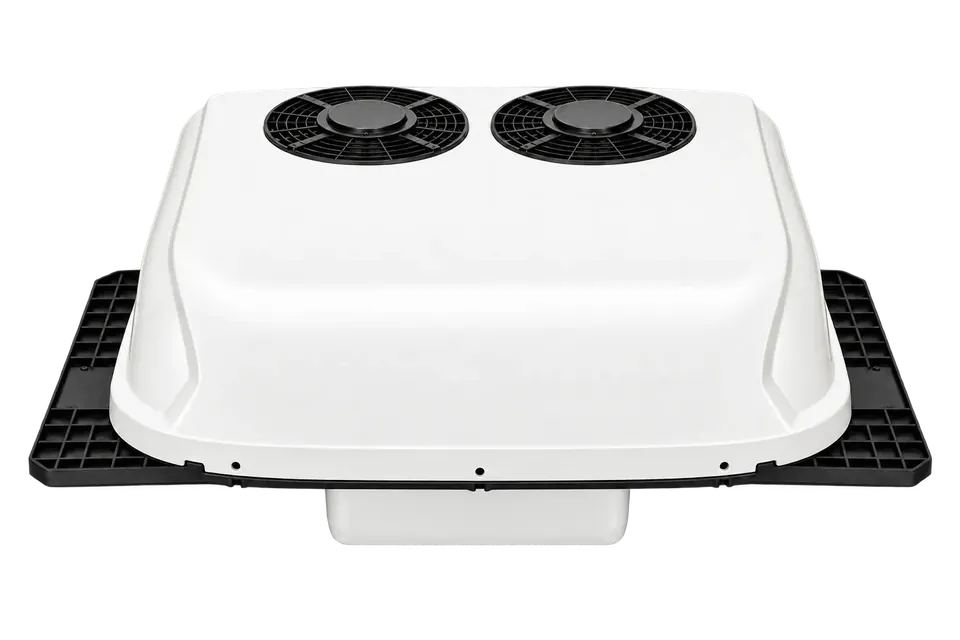
Proven 24V rooftop for long-haul fleets.
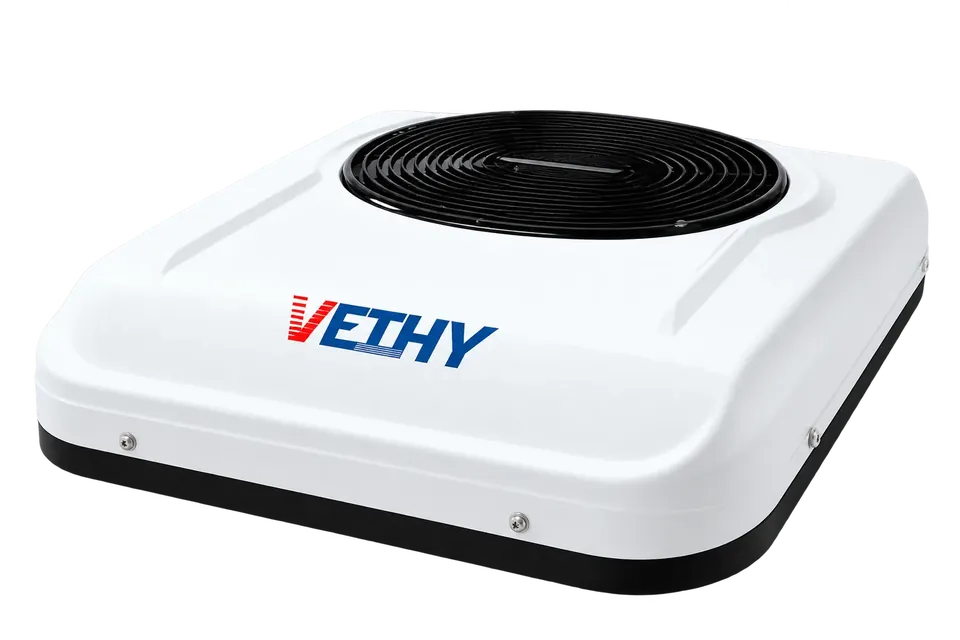
High-output 12V cooling for pickup fleets.
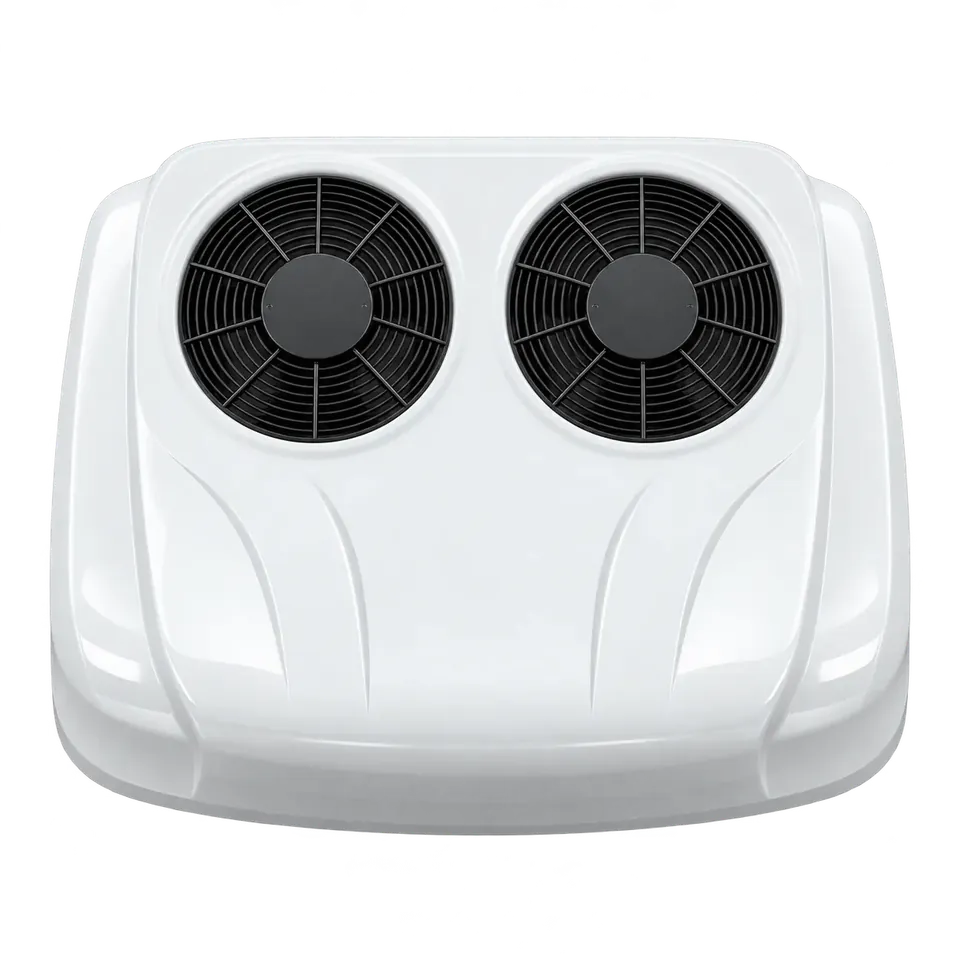
Dual-fan airflow for fast cabin pull-down.
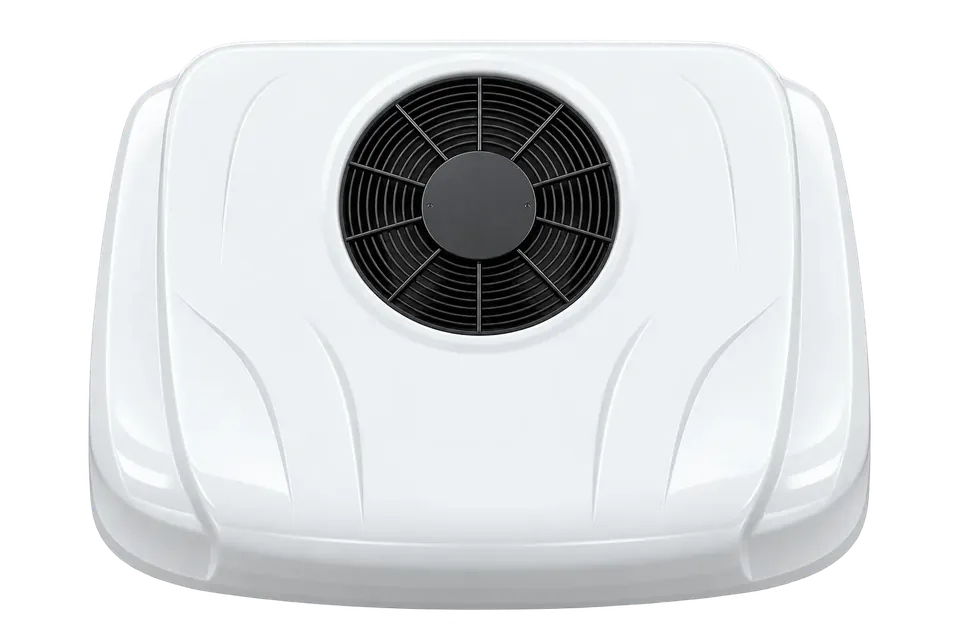
The value benchmark in the range.
Send us your vehicle types, voltage and volume — we will match the right unit and reply with a proposal.
Browse Vethy 12V and 24V rooftop and split parking air conditioners for trucks, RVs, vans, buses and construction machinery. Compare voltage, mounting style and cooling capacity, then contact us for distributor, fleet or OEM pricing.
A parking air conditioner is a 12V or 24V DC-powered cooling system that lets a truck, RV, van or work vehicle keep the cabin comfortable while the main engine is off, reducing fuel use, emissions and engine wear. Instead of idling the diesel engine to run the factory air conditioning, a parking AC draws from the vehicle battery or an auxiliary battery bank, so a driver can sleep, load or rest without burning fuel.
Vethy manufactures two main families of parking air conditioners: rooftop units that bolt onto the cab roof and split units that separate the condenser from the evaporator. Both lines come in 12V and 24V DC, and both use R410A refrigerant, which cools 20% more efficiently than the older R134a system while saving about 25% in power . The flagship VS02 Pro twin-rotor rooftop unit delivers 2800 W of cooling capacity and weighs 31 kg, with a footprint of 680 mm × 980 mm × 180 mm, and keeps noise in the 42 to 55 dB range.
Choosing the right unit is mostly about three things: the vehicle electrical system, the mounting style that fits the cab, and the size of the battery bank that will feed the compressor. Get those three right and a parking AC becomes a reliable overnight comfort system rather than a source of dead batteries.
Matching a unit to the vehicle prevents under-cooling and short battery life. Work through the three steps below to narrow the Vethy range.
A: The VS02 Pro runs for up to 18 hours per charge; a typical day-night pattern is 6 hours of daytime cooling plus 12 hours at night. Runtime declines as batteries age, so fleets should validate capacity every 90 days for over-the-road trucks and every 30 to 45 days for regional trucks.
A: Yes. R410A provides roughly 20% higher cooling than an R134a system and about 25% power savings, which matters when every amp comes from the battery.
A: A qualified technician typically completes a rooftop or split installation in about 2 hours. Professional mounting preserves the roof seal and the warranty.
Updated: 2026-05-19 · By Vethy Technical Team
Battery sizing is the detail that decides whether a parking air conditioner feels like a luxury or a liability. The Vethy DC range pulls its current from an auxiliary battery bank rather than the starter battery, so the bank has to be sized for the full rest cycle. As a rule of thumb, a 200 Ah or 250 Ah bank holds an overnight cycle with margin, while a 100 Ah to 150 Ah bank is fine for shorter daytime stops. Deep-cycle batteries are required; a standard starting battery will not tolerate repeated deep discharge.
The efficiency stack matters more than the headline cooling number. R410A refrigerant delivers about 20% higher cooling than R134a and 25% lower power draw , and the twin-rotor compressor provides 2x cooling efficiency . Together they let a smaller battery bank deliver up to 18 hours of cooling, the same number fleets validate in a 90-day over-the-road rollout and a 30 to 45-day regional rollout.